Case Studies

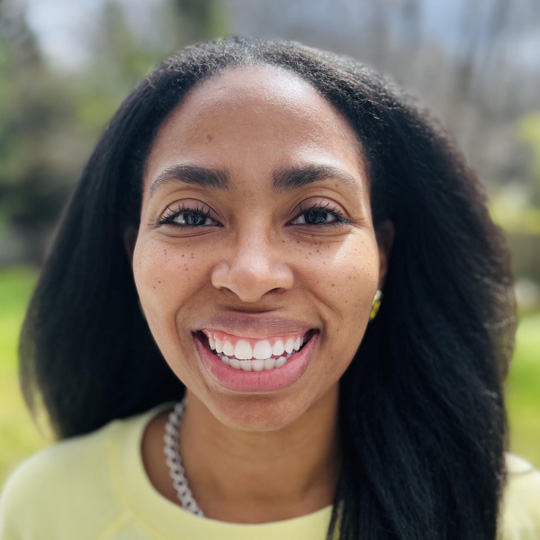
I thought I had it all figured out. With my Ivy League master’s degree in education and years of experience as a special education teacher, I believed I was uniquely equipped to navigate the system for my own child. After all, I was the one who sat on the other side of the table during countless IEP meetings, the one who knew the terminology, the legal requirements, and all the unwritten rules. I was supposed to be the expert.
But life has a way of humbling you, especially when you’re wearing two hats — both as an educator and as a mother of a child with an IEP. This dual perspective opened my eyes to the deep-rooted problems within the special education system, problems that even my professional expertise couldn’t fully shield me from.
The irony wasn’t lost on me. During school hours, I was the confident special education teacher, advocating for my students and working within the system I knew so well.
But in IEP meetings for my own child, I felt the weight of being a Black mother in a system that wasn’t designed with us in mind. Despite my credentials, despite my professional experience, despite knowing every acronym and regulation by heart, I still found myself feeling diminished, second-guessed, and sometimes even dismissed.
It’s a unique kind of cognitive dissonance — knowing you’re more than qualified to understand and navigate the system, yet feeling somehow less than prepared when it comes to your own child. The professional knowledge doesn’t disappear, but it gets tangled up with maternal instinct, with personal experience, with the generational trauma of being Black in educational spaces that haven’t always welcomed us.
My training taught me about differentiated instruction, about evidence-based practices, about least restrictive environments. But it didn’t prepare me for the emotional toll of fighting for my child while simultaneously trying to maintain professional relationships. It didn’t prepare me for the subtle (and sometimes not-so-subtle) ways that racial bias can influence expectations, recommendations, and interactions.
The system I worked within daily revealed its deeper flaws when I had to navigate it as a parent. I saw how meetings could feel intimidating even to someone with my background — so how must they feel to parents without my educational privilege? I understood why families sometimes seemed defensive or overwhelmed in IEP meetings; I’d become one of those parents myself, despite knowing the system inside and out.
This journey has taught me that true reform in special education needs to address not just academic and procedural aspects, but the deep-seated biases and power dynamics that affect families of color.
It needs to acknowledge that even parents with insider knowledge of the system can feel overwhelmed and undervalued. Most importantly, it needs to recognize that expertise comes in many forms — not just from degrees and certifications, but from the lived experiences of parents who know their children best.
As I continue to walk this dual path as both educator and parent, I carry these insights with me. They inform how I interact with families in my professional role, how I advocate for my own child, and how I push for change in a system that needs to do better for all our children. The work we do to support special educators and families needs must place a weighted value on the lessons that come from lived experience and resources that are grounded in community support.
I envision a future where no parent — regardless of their background, education, or profession — has to armor themselves for battle before walking into an IEP meeting. Where being “qualified” isn’t about degrees on a wall but about the intimate knowledge of a child’s needs, dreams, and potential. Until then, I’ll continue to the work to bridge the gap between what the system is and what it could be — not just for my child, but for every child whose parent sits across that table, fighting to be heard.
CEO